Finding the right estate agent in London is not the same as finding one in most other cities. The market here is genuinely complex prices vary street by street, buyer profiles differ wildly, and a meaningful chunk of prime London properties never make it onto Rightmove or Zoopla at all. In that kind of environment, the agent you work with has a direct impact on your outcome, not just your experience.
There are over 26,374 estate agents operating across the UK right now. In that kind of market, knowing what to actually look for matters.
So what actually separates a good London estate agent from one who is just going through the motions? It is not the size of the office or the number of listings on their website. It tends to come down to a few specific things that most people only notice or miss once they are already mid-transaction.

They Know the Area Street by Street, Not Just by Postcode
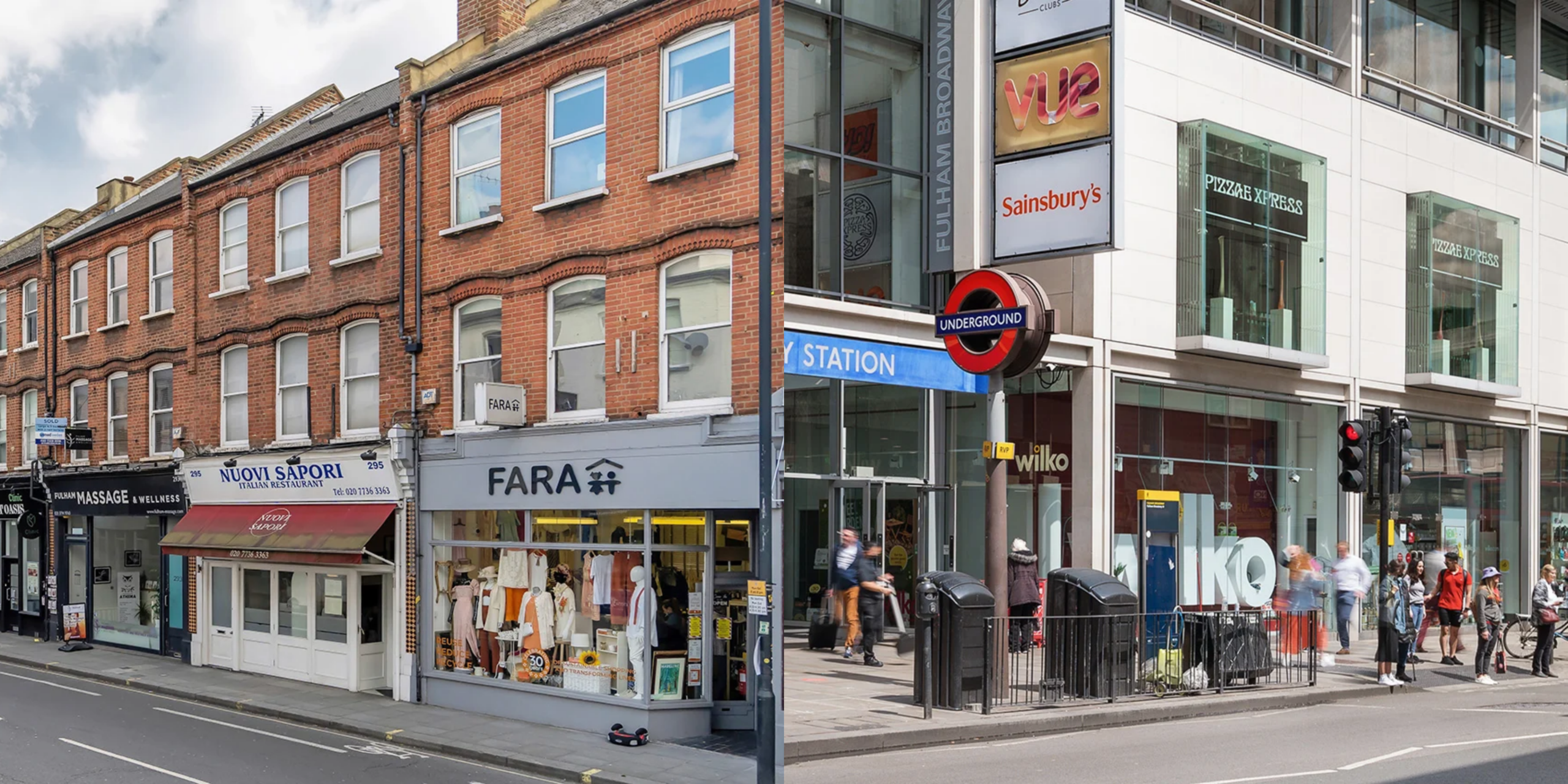
London’s property market does not behave as one market. It behaves as dozens of micro-markets sitting next to each other. A good agent working in Fulham understands why a garden flat on Harwood Road performs differently to one a few streets east. An agent covering Chelsea knows which blocks have been subject to service charge disputes and which buildings attract strong international demand.
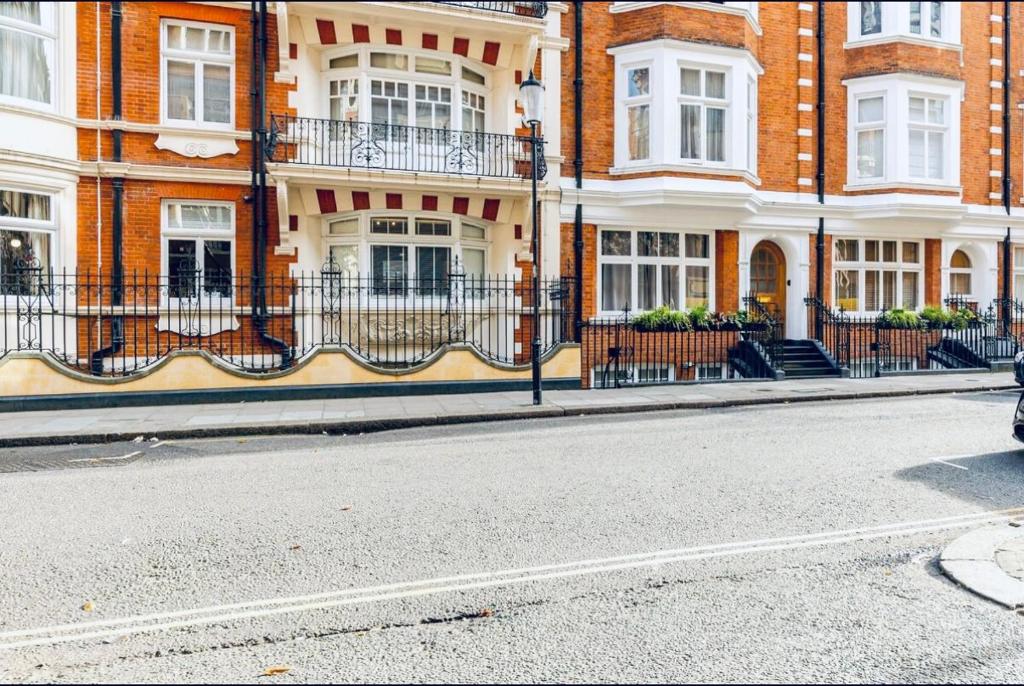
In Prime Central London, a property’s strategy depends heavily on the neighbourhood Marylebone attracts buyers who want village atmosphere and Regent’s Park access, while Knightsbridge draws a very different profile entirely. An agent who treats these as interchangeable will not serve you well in either.
When you are speaking to an agent, ask them about streets not just areas. Ask what has sold nearby in the last six months and what the gap was between asking and achieved price. The answers reveal quickly how closely they actually follow the market.
They Have Real Access to Off-Market Properties
This is one of the more practical differences between agents, and it matters more in London than almost anywhere else in the country.
The agents who have access to these properties are not accessing some secret database. They have built relationships over years with other agents, with landlords, with developers and with repeat clients who come back when they are ready to sell. Some agents have even been known to knock on doors of homes in London’s most sought-after postcodes to source properties for clients.
If an agent cannot speak to any off-market activity or connections, that is worth noting. It does not disqualify them, but it does limit what they can offer buyers in a competitive area.
For anyone actively searching for properties for sale in London, being connected to an agent with genuine off-market access is a real edge.
They Price Properties Based on Evidence, Not to Win the Instruction
Overvaluing a property to impress a seller is one of the oldest tricks in estate agency. It wins the instruction, then reality sets in three months later when the property has not moved and the price has to drop.
The problem with that cycle is it damages the seller. A price reduction signals to buyers that something is wrong, even when nothing is. It creates a negotiating disadvantage that would not have existed with honest pricing from the start. Data from June 2026 puts average prime London values down 8.2% year on year. In that environment, an overvalued listing does not just sit and it actively loses ground.
A good agent prices based on:
- Comparable sales completed in the same area within the last three to six months
- The condition and position of the specific property, not an average
- Current demand levels in that postcode, not last year’s figures
- Whether an off-market or open-market approach suits this particular seller’s situation
If you are at the stage of considering a property valuation, pay attention to whether the agent can justify their figure with specifics. If they cannot, the number is not reliable.
They Are Straightforward When the Deal Gets Complicated
Most London transactions hit at least one rough patch. A survey flags something unexpected. A chain delays completion. A buyer’s solicitor raises questions that slow things down. These moments are normal but how an agent handles them is not always consistent.
What you want is an agent who:
- Tells you what has happened clearly, without softening it to the point of uselessness
- Sets out the options and the likely consequences of each
- Does not disappear when the news is inconvenient
- Knows when to involve a solicitor or surveyor directly rather than acting as a middle-man on things outside their expertise
The best agents make sure the correct team is in place access to good tax advisers, the best lawyers, and the right professionals throughout the process, not just at the start. That kind of joined-up thinking saves a lot of stress later.
They Understand Who Your Buyer Actually Is
Not every London buyer is the same, and not every property appeals to the same profile. A good agent does not just list a property and wait. They think about who is most likely to buy it and how to reach them.
In areas like Knightsbridge, Chelsea and Kensington a large portion of serious buyers are based overseas particularly from the US, the Middle East and parts of Asia. Around 70% of buyers for some prime London properties are international, according to boutique agency data. That changes the marketing strategy and the viewing logistics along with the negotiation dynamics and sometimes the legal structure of the sale.
An agent who only markets domestically is missing a significant part of the potential buyer pool for a prime London property. This is where boutique agencies with international backgrounds can make a genuine difference they already have those conversations and those connections.
They Treat Discretion as Standard, Not Optional
In prime parts of London, a lot of clients do not want their sale publicly announced. Sellers might have privacy concerns. Buyers might not want their purchase known. Sometimes a landlord wants to test the market quietly before committing to a full campaign.
A strong Prime Central London estate agent advises on both open-market and off-market strategies, and understands when each approach suits the seller’s objectives. Discretion is not a bonus feature. For many clients in areas like Knightsbridge and Chelsea, it is a baseline requirement.
If you are a landlord thinking about letting your property, the same principle applies. A good letting agent handles tenant introductions and viewings with the same level of care they would bring to a sale.
They Listen Before They Suggest
This sounds obvious. It is often ignored.
An agent who jumps straight into what they have available before understanding what you actually need is operating from their inventory not from your requirements. In a market where buyers sometimes have very specific needs like a particular building or a certain floor level and proximity to schools or preference for period architecture over modern this matters a lot.
The initial conversation with an agent should feel like a proper brief. By the end of it, they should be able to tell you what they think they can find and why. If they spend most of it talking about themselves, that tells you something.
They Stay Focused on Your Outcome, Not Just the Completion
An agent’s fee is paid on completion. That creates a natural pressure to get to completion, which is not always the same as getting to the right completion for the client.
The agents who stand out long-term are the ones willing to say “this is not the right property for you” or “this is not the right time to sell” even when doing so costs them a deal in the short term. That kind of advice is hard to give and valuable to receive.
The best estate agent is not necessarily the loudest name in the market. It is the one with the judgement, network and discipline to position a property correctly, protect its value and manage the process with care from the first conversation to completion.
Conclusion
London’s property market asks a lot from the people working in it. The best agents bring specific local knowledge, genuine networks, honest advice and the composure to keep transactions moving when things get difficult. These are not qualities you can check from a website. They show up in the details of how an agent works.
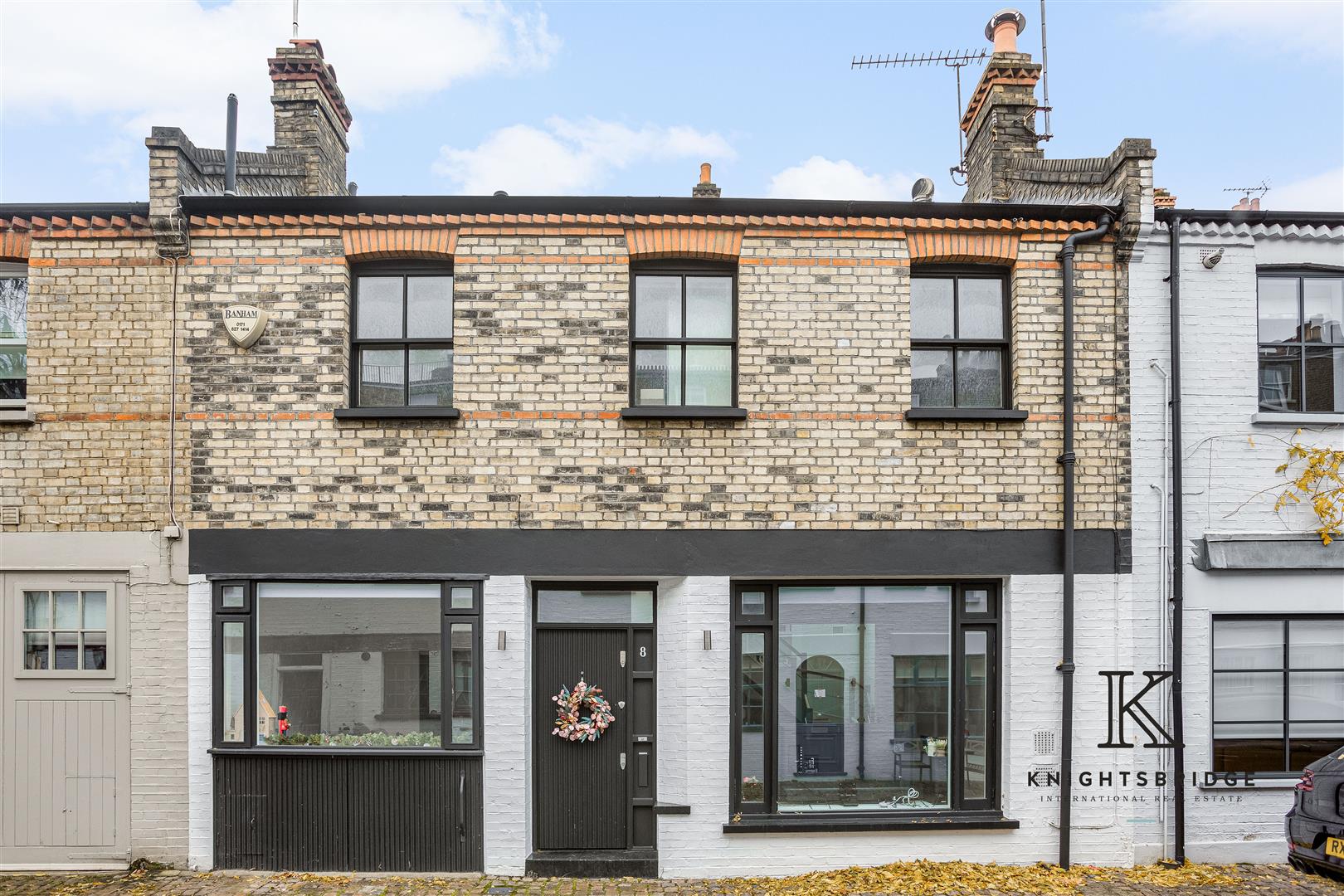
Knightsbridge International Real Estate is an independent boutique agency based in Fulham, covering prime West and South West London including Fulham, Chelsea, Knightsbridge and Kensington. The team works with buyers, sellers, landlords and international clients who want focused attention and real market knowledge rather than a volume-first approach. If you are thinking about your next move in London, get in touch with us to speak with someone who knows these areas well.
FAQs
Q. How do I know if an estate agent is actually good or just good at marketing themselves?
Ask them for recent sales on the same street, how long those properties took to go under offer, and what the final achieved price was versus asking. Agents who know their patch answer these without pausing. Ones who pivot to awards and testimonials usually do not.
Q. Is it better to use a boutique agency or a large chain for a prime London property?
Boutique agencies in areas like Knightsbridge or Chelsea tend to have stronger local relationships and more time per client. With larger chains, the senior person you met at the pitch is rarely the one handling your property week to week.
Q. What does “off-market” actually mean in practice?
The property never gets listed publicly. The agent introduces it to buyers already in their network. For sellers it means privacy. For buyers it means less competition. It only works though if the agent actually has the right people in their contacts.
Q. Should I instruct more than one estate agent at the same time?
Sole agency is the standard approach and tends to produce better results. When two agents are chasing the same sale, the focus shifts to closing quickly rather than closing well.
Q. What should I check about an estate agent before instructing them?
Make sure they are registered with a redress scheme like The Property Ombudsman and have client money protection if deposits are involved. After that, look at what they currently have listed nearby and speak to them in person. How they handle that first conversation tells you a lot about how they will handle the rest.