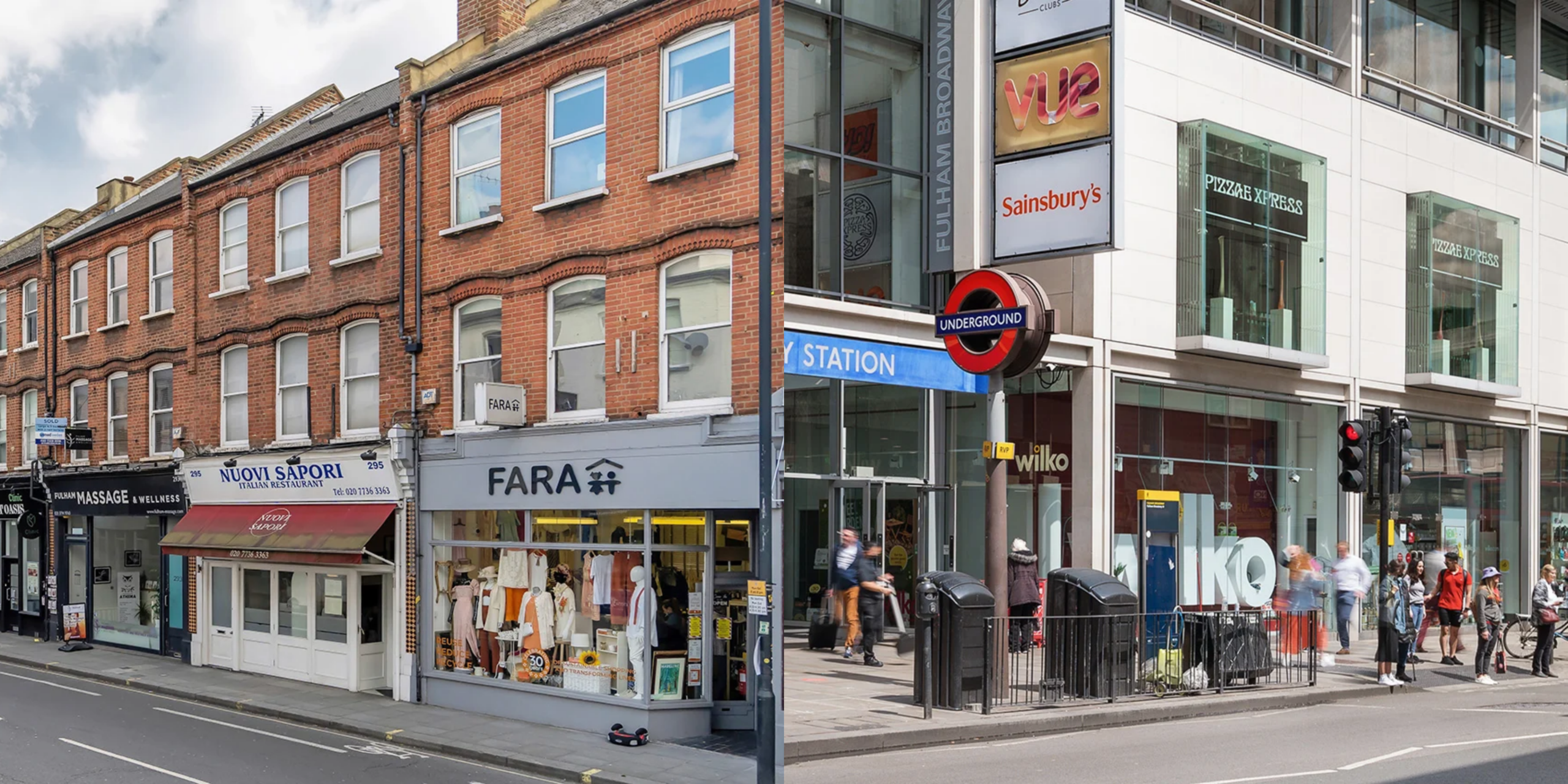
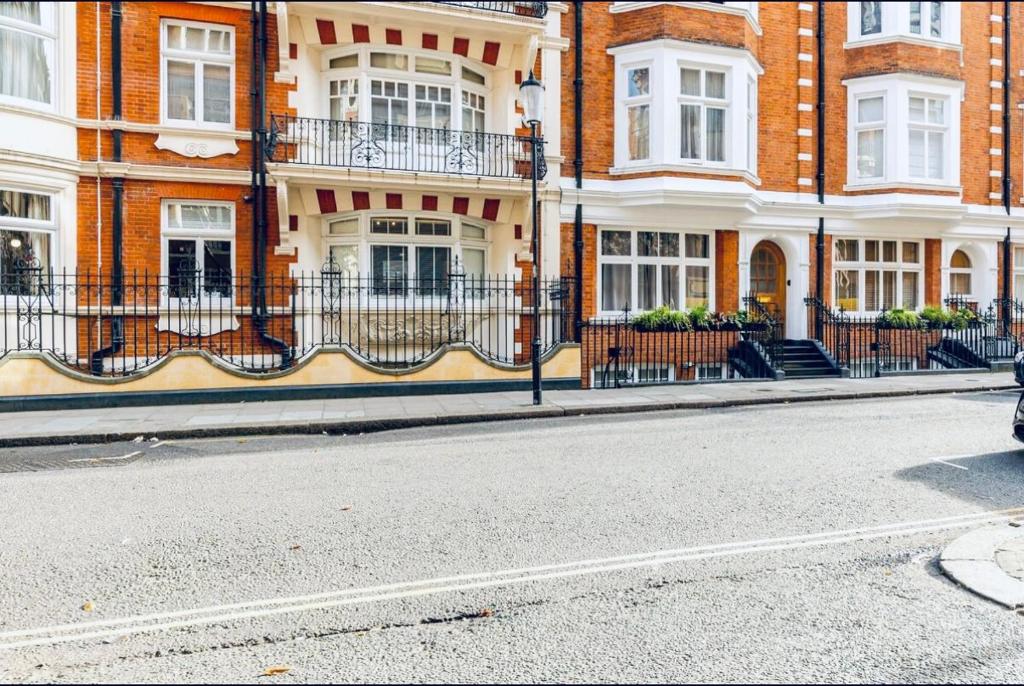
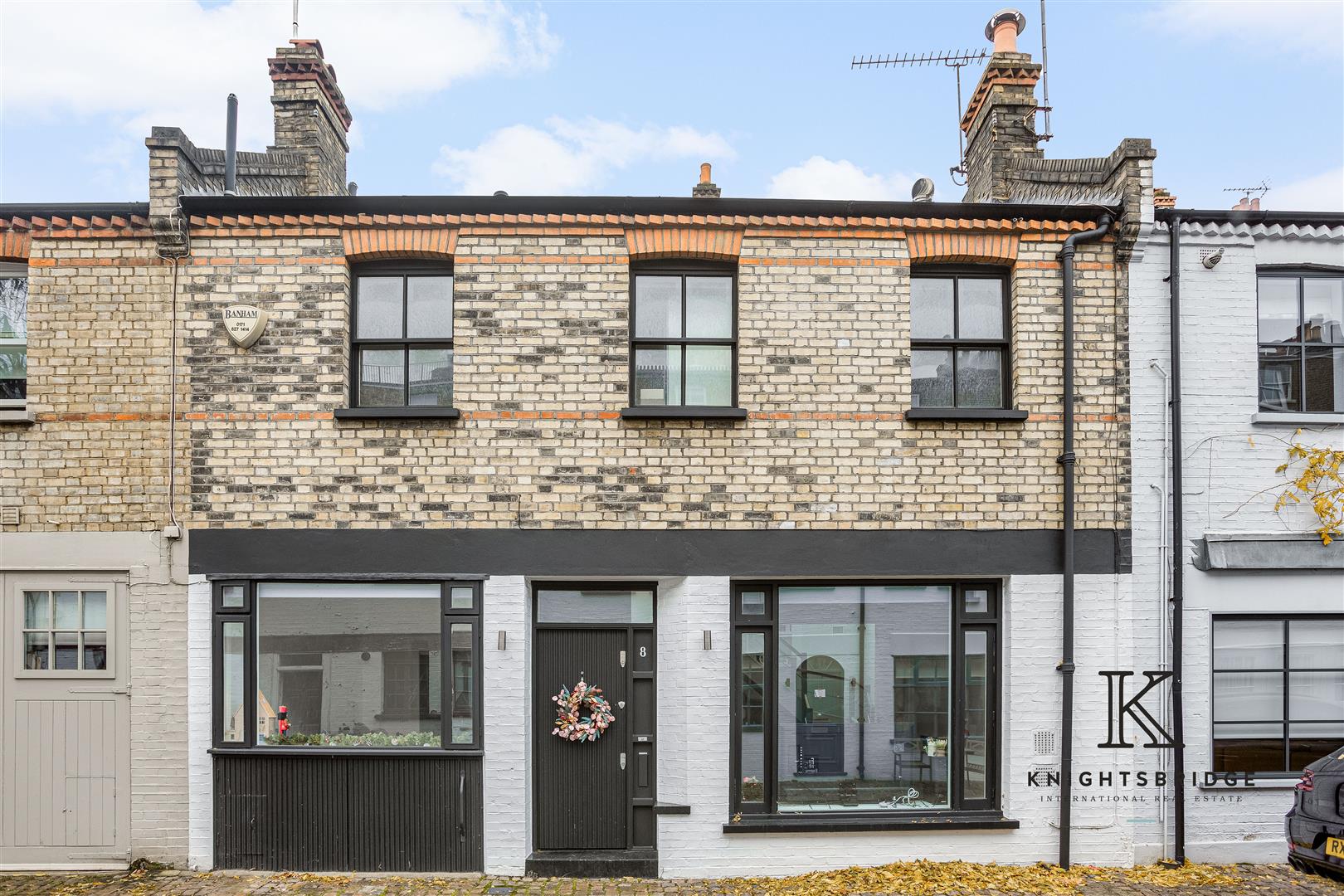
If you have started looking at flats to rent in Knightsbridge, London, you already know this is not an ordinary rental search. Hyde Park is on the doorstep, Harrods and Sloane Street are just minutes away and there are some of the fastest transport links into central London. That is why Knightsbridge has been a magnet for tenants for decades. Diplomats, senior professionals, relocating families and international buyers waiting to complete a purchase all end up looking at the same small pool of flats, which is why the process here rarely feels straightforward.
We work with tenants in this exact market every week and the questions that come up most are rarely about the flats themselves. They are about money, paperwork and knowing which fees are actually legal. So before you book a viewing or get talked into signing something on the spot, here is what we think every tenant should understand first.
Why Knightsbridge Remains One of London’s Most Requested Rental Areas
The simplest explanation for Knightsbridge’s popularity is supply. Not much new stock comes onto the rental market here, yet the number of people who want to live in this postcode keeps growing. You get direct access to Hyde Park some of the best shopping and dining anywhere in the world and a short hop into the City or Canary Wharf whenever you need it.
The numbers back this up too. Official ONS private rent figures for Kensington and Chelsea, the borough that Knightsbridge sits within, show average monthly rent running at around £3,600 in mid 2026, noticeably higher than the London wide average of roughly £2,300 reported in the same ONS private rent and house prices bulletin. That gap tells you almost everything about the level of demand you are competing with as a tenant here.
Most people renting in this pocket of London fall into one of a few groups:
- Professionals in finance, law or diplomacy who want a short commute and do not mind paying for it
- International tenants and relocating families who care about security, discretion and being near good schools
- People downsizing from a larger Prime Central London home who still want the postcode without the upkeep
Flats that are well presented and priced sensibly tend to go fast sometimes within a few days of being listed. It is not unusual for a good one bedroom flat to have several serious applicants by the second day of viewings. If you are researching the wider area before you commit to renting, our earlier piece on property for sale in Knightsbridge is a useful companion read, since it covers the same streets and buildings from a slightly different angle.
Types of Knightsbridge Flats For Rent and What to Expect on Price
Budgets in Knightsbridge stretch a long way so it helps to know roughly what different price points get you before you start viewing. Knightsbridge flats for rent range from small studios and one bedroom flats in mansion blocks right up to lateral apartments and duplexes in converted period buildings or newer developments.
A few things worth knowing before you go looking:
- One bedroom flats are the most competitive category, with the quickest turnover and the largest number of applicants chasing each one
- Period conversions around Pont Street and Walton Street tend to have high ceilings and original features, while mansion blocks usually come with a porter and lift access
- Newer developments near Knightsbridge station often include a concierge, gym and secure parking and the rent reflects that
- Furnished flats are the norm here, particularly for shorter lets and for tenants relocating from overseas
Rather than trawling every portal for hours, it is usually quicker to work from a shortlist that already matches your budget and requirements. Our properties to let page is kept current as new instructions come in so it is worth a look before you start booking viewings elsewhere. If you are weighing up whether to rent or eventually buy in the area, our note on rental yields for apartments in Knightsbridge gives some useful context on how the two markets connect.
What Every Tenant Should Know Before Signing a Tenancy
This is the part people tend to rush and it is exactly where mistakes happen. A tenancy agreement is a binding contract and in a market that moves as quickly as Knightsbridge, there is often pressure to sign before you have really read it. Slow down. Here is what to check.
Understand Tenant Fees and What You Can Legally Be Charged
Since the Tenant Fees Act 2019, agents and landlords in England can only charge tenants for a short, defined list of items. If someone tries to charge you for referencing, admin, an inventory check or simply arranging a viewing, that charge is almost certainly not legal. The fees you should expect to see are:
- A holding deposit, capped at one week’s rent which comes off your first rent payment once the tenancy goes ahead
- Rent itself, paid according to whatever your tenancy agreement sets out
- A tenancy deposit, capped at five weeks’ rent if the annual rent is under £50,000 or six weeks’ rent above that
- Interest on unpaid or late rent, capped at a set rate above the Bank of England base rate
- Reasonable, clearly defined charges for lost keys, an agreed change to the contract or a change of sharer
- Costs linked to ending the tenancy early at the tenant’s request
We list the exact figures that apply to our own lettings on our tenant fees page and any agent worth using should be able to show you the same kind of breakdown before you commit to anything.
Check How Your Deposit Will Be Protected
By law, any deposit taken for an assured shorthold tenancy in England has to go into a government approved scheme within 30 days of the landlord receiving it. There are three of these schemes: the Deposit Protection Service, MyDeposits and the Tenancy Deposit Scheme. You can check this yourself for free through the official GOV.UK tenancy deposit protection service so there is no reason to just take someone’s word for it.
Before you sign, ask which scheme is being used and get written confirmation once your deposit has actually been registered. It only takes a couple of minutes to check and it can save a lot of stress later.
Expect a Right to Rent Check
Every landlord and agent in England has to confirm that adult tenants have the right to rent in the UK before a tenancy starts. This applies no matter your nationality and it is a standard part of referencing rather than something unusual. GOV.UK sets out exactly how this works in its landlord’s guide to right to rent checks. If an agent tries to skip this step entirely, take that as a warning sign rather than a shortcut worth appreciating.
Read the Tenancy Agreement Line by Line
Before you sign anything, go through the document properly and check:
- The exact rent, when it is due and how you are expected to pay it
- How long the fixed term runs and whether there is a break clause with a notice period
- Who pays for utilities, council tax and any service charge
- Whether pets, subletting or extra occupiers are allowed
- How the check in inventory will be recorded and what condition you will be expected to leave the property in
A properly dated check in inventory with photographs is, in our experience, the single most useful piece of evidence when a deposit dispute comes up. Do not let anyone rush you past this step.
Finding the Right Knightsbridge Flat Without Wasting Time
Because good flats move quickly here, scrolling through every portal for a month rarely gets you anywhere. A more focused approach tends to work better:
- Work out a realistic budget based on current asking rents, not figures you saw online a year ago
- Get your referencing paperwork ready early, including proof of income and identification so you are not scrambling once you find somewhere you like
- Use an agency with real, day to day knowledge of Knightsbridge streets, buildings and management companies
- Ask straight out whether a property represents good value, rather than judging it purely by the asking price
This is where a locally based team really earns its keep. As Knightsbridge letting agents, we spend our days in this specific corner of London so we know how individual buildings and even streets compare on price and quality. We would rather tell you honestly what your budget achieves and show you flats that actually suit you, than fill your inbox with everything on the market. If you are a landlord reading this instead, our guide on questions to ask before choosing a letting agent in Knightsbridge covers the same ground from your side of the table.
Final Thoughts
Renting in Knightsbridge is competitive, there is no getting around that. But it does not have to be confusing. Once you know which fees are legal, how your deposit is meant to be protected and what to look for in the tenancy agreement itself, you are in a much stronger position before you ever put pen to paper.
At Knightsbridge International Real Estate, we have built our name on giving tenants and landlords straight answers across Prime Central London, not just a list of flats. Get in touch with us if you would like to talk through your budget, timing and what you are actually looking for. We are happy to walk you through what is realistic before you commit to anything.
Frequently Asked Questions
Q. How much does it cost to rent a flat in Knightsbridge?
It depends heavily on the building, size and finish but Knightsbridge sits within Kensington and Chelsea which has recorded the highest average rents of any local authority in England and Wales according to ONS data. One bedroom flats typically start well above the London average and larger or higher spec properties cost a good deal more.
Q. How much deposit do I need to rent in Knightsbridge?
Under the Tenant Fees Act 2019, deposits are capped at five weeks’ rent where the annual rent is under £50,000, rising to six weeks’ rent above that. You will usually also need a holding deposit of one week’s rent to secure the property while referencing is completed.
Q. Can a letting agent charge me admin fees to view or apply for a flat?
No and if someone tries, push back. Agents and landlords are not allowed to charge tenants for viewings, referencing, admin or inventory checks. The only permitted charges are the holding deposit, rent, tenancy deposit and a small number of specific fees such as lost keys or an agreed contract change.
Q. How quickly do flats in Knightsbridge get rented out?
Fast, in most cases. Because demand consistently outstrips what is available, well presented flats can let within days of going live. Having your referencing documents and deposit ready before you start viewing puts you ahead of most other applicants.
Q. Is it worth using a local Knightsbridge letting agent instead of a national portal?
Generally, yes. A local agent who actually works in Knightsbridge day to day tends to know more about pricing, building reputations and stock that has not been widely advertised yet which matters even more if you are relocating from overseas and cannot easily view everything in person.