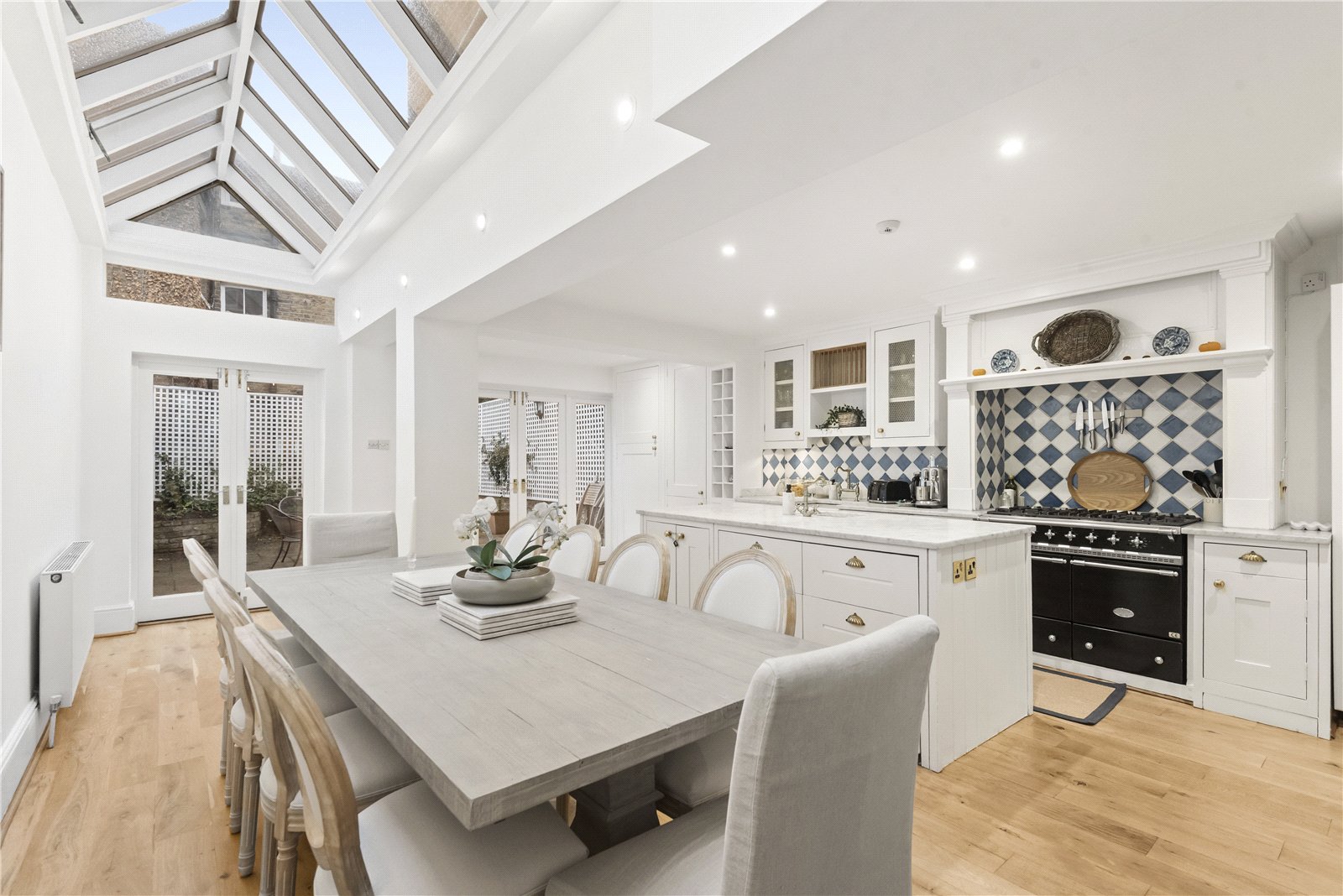
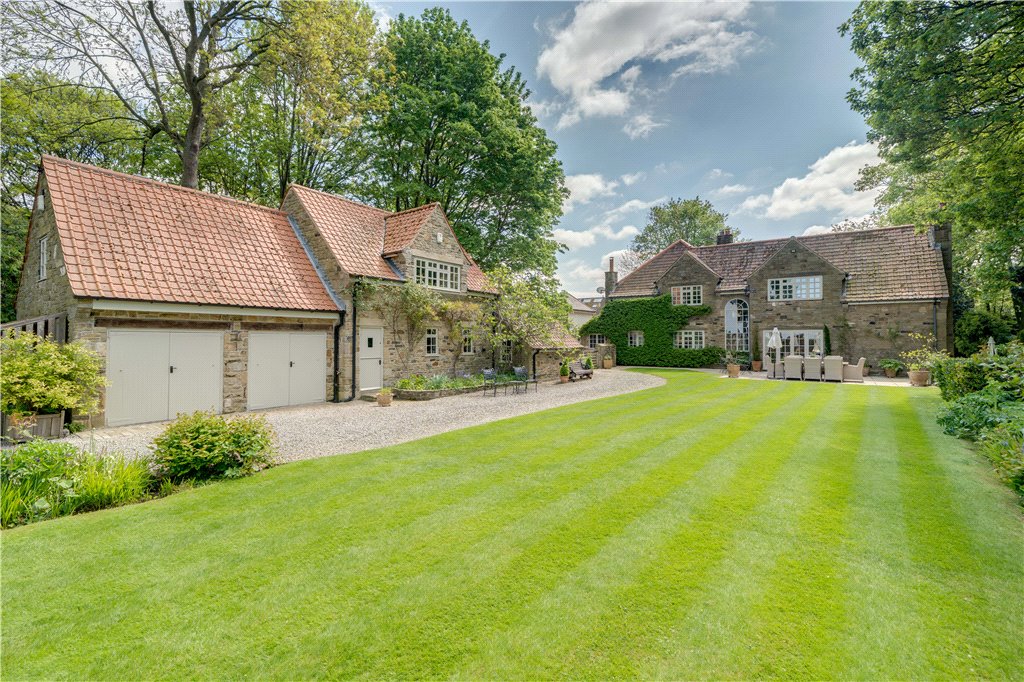
 Many people in the UK dream of having a quiet home far from the noise of city life. Wide fields, clean air, and stunning natural views make country living special. The ongoing demand for country houses that exist in the United Kingdom market continues to rise because of this reason.
People who want to buy a country property need to understand that the purchasing process differs from the procedure used to buy an urban apartment. People who purchase rural properties typically receive land together with their property which requires them to complete specific legal evaluations and maintain their home according to special requirements.
Average house prices in predominantly rural areas increased by about 23% between 2019 and 2024, compared with 18% growth in urban areas, according to the Nationwide House Price Index.
Buyers who lack effective planning will experience unplanned financial expenses together with operational limitations. The process of buying a countryside home becomes your most valuable investment when you possess the correct knowledge.
Country House for Sale: What You Should Know Before Buying
The process of purchasing a rural property offers an exciting experience but it demands thorough consideration. Country homes provide spacious outdoor areas and attractive natural surroundings yet they require more research work than urban residential properties.
The following tips will help you make a smart purchase decision that you can execute with confidence.
1. Define Your Purpose for Buying
Start by asking a simple question. Why do you want a countryside property?
Some buyers want a peaceful retirement home. Others want a weekend escape from city life. Many investors buy rural homes for holiday rentals or long-term value growth.
Your purpose will affect your choice of property. For example:
- A holiday home may need good road access.
- A retirement home may require nearby healthcare.
- An investment property should be near tourist areas.
Clear goals help narrow your search and save time.
2. Choose the Right Location
Location matters just as much in rural areas as it does in cities.
When looking for countryside properties, check:
- Distance from the nearest town
- Access to schools, shops, and hospitals
- Public transport options
- Internet and mobile connectivity
Some remote villages have limited services. While that adds charm it may not suit every lifestyle. Visit the area more than once to understand daily life there.
3. Understand Local Planning Rules
Many rural homes in the UK fall under strict planning regulations. Some properties are listed buildings or located in conservation areas. This means changes or renovations may require permission.
Before buying, check:
- Planning restrictions
- Renovation permissions
- Land usage regulations
These rules protect the beauty of rural areas, but they can also affect your future plans.
4. Inspect the Land and Boundaries
A country home often comes with land. This could include gardens, fields, woodland, or farmland.
Make sure to confirm:
- Exact property boundaries
- Land ownership rights
- Access roads or shared driveways
Land surveys and property maps help avoid future disputes. If farmland is included you may also need to check agricultural restrictions.
5. Check Access and Infrastructure
Some rural homes look beautiful but are difficult to access. Narrow country lanes, private roads, or seasonal flooding can affect daily life.
Look into:
- Road conditions during winter
- Parking and driveway access
- Waste collection services
- Delivery and postal access
Reliable access is essential, especially if the property is far from town centres.
6. Review Utilities and Services
City homes usually connect to public utilities. Rural properties sometimes rely on private systems.
Common examples include:
- Septic tanks instead of sewer connections
- Private wells or boreholes for water
- Oil heating instead of gas lines
These systems work well but they require regular maintenance. Always inspect them before finalising a purchase.
7. Consider Renovation and Maintenance Costs
Many countryside homes are older buildings. While they offer character and charm, they may require upgrades.
Common repairs include:
- Roof restoration
- Heating system upgrades
- Insulation improvements
- Structural repairs
Maintenance costs may be higher than modern city homes. A professional survey can reveal potential issues early.
8. Study Property Value Trends
Rural property prices vary widely depending on location and demand.
Popular countryside areas near major cities often see strong price growth. Remote locations may offer lower prices but slower appreciation.
Research:
- Local property sales data
- Long-term value trends
- Tourism and development plans
These insights help you make a better investment decision.
9. Work With Rural Property Experts
Buying rural property involves more legal and practical steps than urban real estate. An experienced property specialist can guide you through the process.
A good agent can help with:
- Property searches
- Legal documentation
- Local market insights
- Negotiation strategies
If you are looking for a country house for sale, working with experts familiar with rural property markets can save time and reduce risk.
10. Visit the Property Multiple Times
Photos can be misleading. Always visit a countryside home more than once before buying.
Try visiting at different times:
- Morning and evening
- Weekdays and weekends
- Different seasons if possible
This helps you understand traffic, noise levels, and weather conditions in the area. A quiet summer village may feel very different during winter.
Benefits of Buying a Country Home
Sales of UK country houses valued above £750,000 increased by about 7% year-on-year in 2025, suggesting renewed buyer interest in countryside properties.
People who want to live in rural areas need to do more research work, countryside living offers many advantages.
- Rural homes provide space away from busy streets and city noise.
- Many country homes sit near forests, hills or farmland. The natural scenery is a major attraction.
- Compared with urban property, countryside homes often offer larger houses and bigger gardens.
- UK holiday rentals and countryside tourism both experience ongoing growth which results in property value increases for this investment opportunity.
Common Mistakes Buyers Should Avoid
Many buyers fall in love with the beauty of rural homes but forget practical factors. Avoid these common mistakes:
- Ignoring road access and transport
- Underestimating renovation costs
- Skipping a full property survey
- Not checking planning restrictions
- Buying land without confirming boundaries
A careful approach prevents expensive surprises later.
Wrapping Up
The process of purchasing rural property brings both excitement and satisfaction to buyers. The peaceful countryside provides attractive residential options because of its serene environment, extensive open areas and its historical charm.
The procedure requires both time and a comprehensive investigation. Every stage of the process requires precise execution starting from legal verification until land assessment. The tips help buyers to eliminate typical issues while they search for their ideal rural property. The process of searching for a country house becomes easier when you partner with reliable real estate specialists.
Knightsbridge
International provides expert assistance together with exclusive access to high-end countryside properties which enables you to begin your journey toward your dream home in the UK countryside.