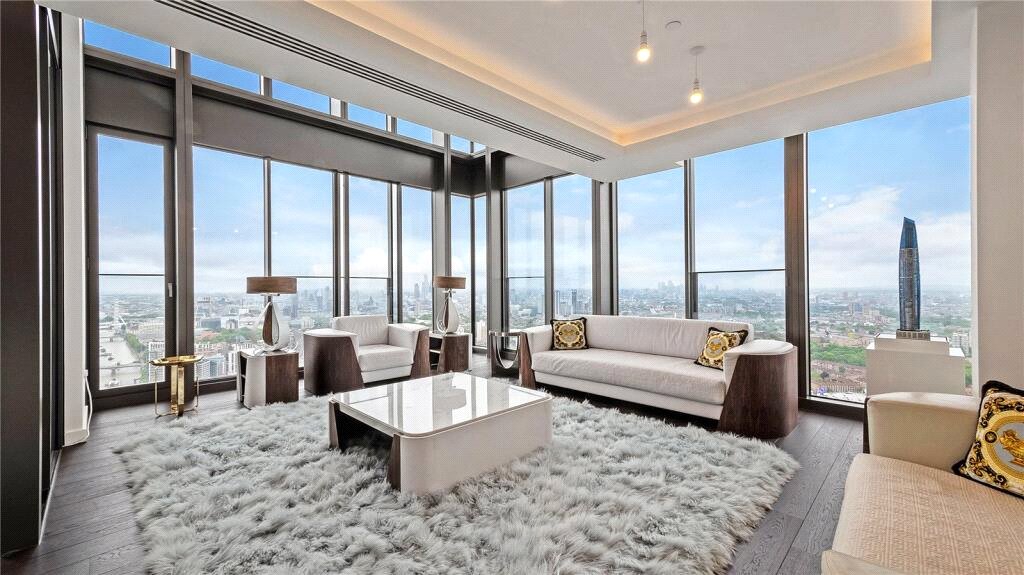
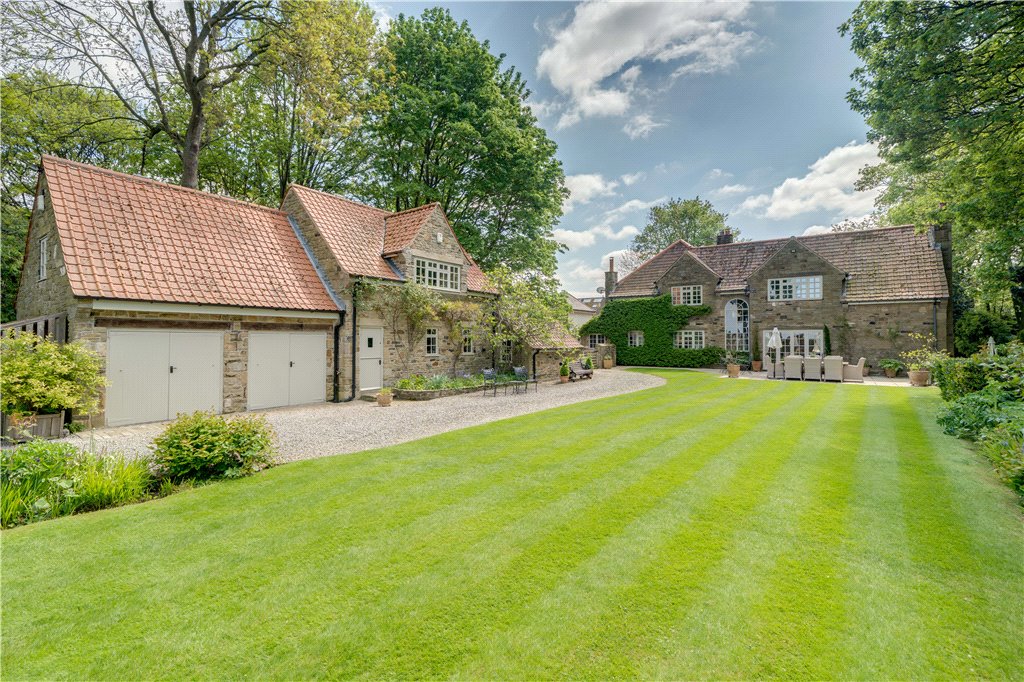
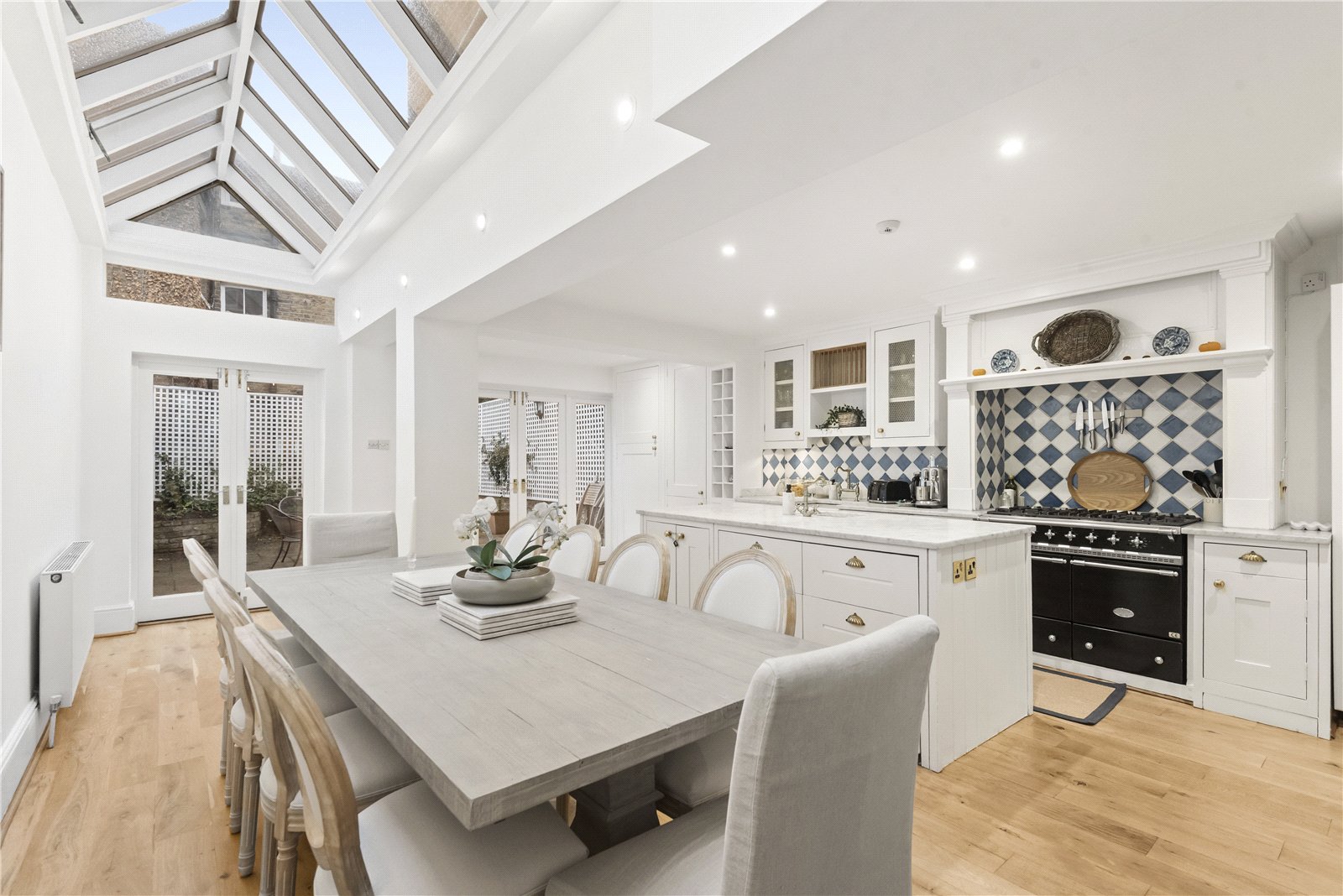
Prime Central London real estate remains one of the most sought-after property markets on the planet. Places like Knightsbridge, Mayfair, Belgravia, Kensington, and Chelsea keep drawing buyers and investors from everywhere. As we go through 2026, the market looks steady after some changes. Prices have dropped a bit lately, but demand holds firm, mainly in rentals. New data shows small growth coming, with rents set to go up and more sales as the economy gets better.
At Knightsbridge International Real Estate, we watch these changes closely to guide clients in smart choices. The Prime Central London market is changing because of what buyers want, new rules, and bigger life shifts. Here are 10 main trends shaping Prime Central London real estate today. These come from recent market reports and notes from top agencies.
1. Growth of Super Prime Areas
Old super prime spots like Knightsbridge and Mayfair are not the only ones for very wealthy buyers anymore. These buyers now check new areas for good value and better living.
- Spots like Hampstead, St Johns Wood, and Fulham are getting more looks.
- Fresh builds add top amenities like health centres and private clubs.
- For instance, updates near sports spots and old sites make new luxury choices.
This change gives more options while staying in wanted central spots.
2. Choice for Village-Like Areas
Buyers seek more than a central spot. They want places with a strong group feel and daily ease.
Areas that give:
- Good schools
- Small shops and cafes
- Parks
- Easy transport
stand out. Spots like Notting Hill, Marylebone, and Barnes offer this mix. After the pandemic, people focus on spots for a calm, village-style life inside London.
3. Comeback of Small Second Homes
Smaller extra homes in central London are returning fast. Buyers from abroad get these on easy terms.
Causes include:
- Kids studying in the UK
- Often business visits
- Back to office jobs
This shows more trust in the Prime Central London real estate. Small second homes give options for those with homes in many places.
4. Need for Homes Ready for the Future
Buyers seek properties that fit their needs for a long time. With costs in view, they like homes that are easy to change for family or work shifts.
Main parts include:
- Flexible room setups
- Spots for home offices or gyms
- Bigger plans in cheaper areas
These real choices help properties keep worth over the years.
5. Solid Work in the Rental Market
The rental side in Prime Central London does better than sales. Rent prices rise steadily, with estimates of about 4 percent growth in 2026.
Things pushing this:
- Lack of good rental places
- New rules for longer stays
- Some owners rent instead of selling
Expert handling is more usual, offering renters sure service and owners calm minds.
6. Bigger Focus on Health Features
Health is a key want in luxury homes. Buyers seek built-in parts that aid well-being and rest.
Common adds:
- Cold dip pools
- Spots for quiet thought
- Health tech like clean air systems
Open kitchens in calm styles and outside decks for fresh air are wanted. These turn homes into personal escapes in a busy town.
7. Stress on Green and Energy Saving
Green rules are musts now. New laws need better energy scores, and buyers hunt for eco-friendly homes.
Usual wants:
- Solar panels and car charge spots
- Strong walls and good heat
- Green approach in builds
Homes with high energy scores (C or more) will be normal by 2030. This fits wide earth goals and cuts run costs.
8. Growth of Named Homes
Builds linked to luxury hotels or style names grow in favour. These give hotel-like help in private homes.
Gains include:
- All-day door service
- Spa and gym use
- Special events for residents
London has more such works, drawing buyers who want an easy luxury life.
9. Quiet Mix of Smart Tech
Tech is there, but not loud. Buyers like hidden systems that make life better without mess.
Parts like:
- Voice-controlled lighting and heating
- Top security with fingerprint access
- Quiet automation hidden from view
The aim is easy use, old switches next to new tech.
10. More Stress on Safety and Private Space
In prime spots, safety stays a main worry. New homes add strong steps for care.
Samples:
- Panic rooms in bigger properties
- High-level surveillance systems
- Soundproofing for privacy
Buyers also like quiet builds that stop city sounds for good sleep. These give a sure feel in high-end places.
Looking Ahead
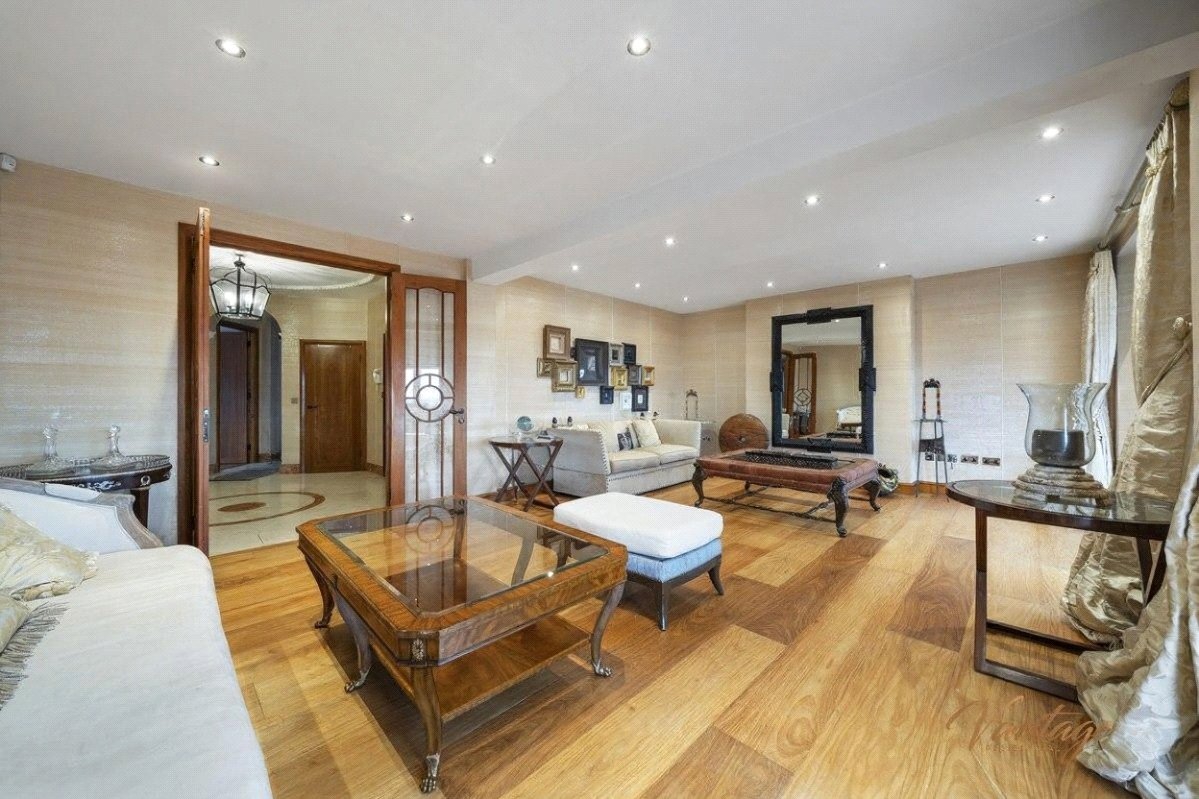
Prime Central London real estate fits new buyer wants while keeping world draw. From growing spots to health-focused designs, these trends reward real, forward-thinking picks. Prices steady, rentals strong, and work set to rise as clear comes back.
At Knightsbridge International Real Estate, we focus on leading clients through this active market. If buying, selling, or renting in spots like Knightsbridge, knowing these changes is key for wins.
If you think of a move in Prime Central London, reach out to our team for custom advice from fresh views.
Frequently Asked Questions
Q. What areas make up Prime Central London?
A. Prime Central London covers spots like Knightsbridge, Mayfair, Belgravia, Kensington, Chelsea, Notting Hill, and Marylebone, known for luxury and central ease.
Q. Is now a good time to buy in Prime Central London?
A. Yes, with steady prices and rising rents, 2026 shows promise for growth as the economy improves and demand holds.
Q. What taxes apply when buying property in Prime Central London?
A. Buyers pay stamp duty land tax, varying by price, buyer type, and potentially extra for foreigners or second homes.
Q. What types of properties are most wanted in Prime Central London?
A. Buyers seek family homes with flexible spaces, health features, and green tech, plus small second homes for city bases.
Q. How is the rental market in Prime Central London?
A. The rental market is strong, with rising values due to low stock and rules for longer lets, expecting 4 percent growth in 2026.